Clinical Sport psychology for Athlete burnout
When you’re tired of being an athlete
You love your sport.
But lately, practice feels like something you have to get through. You're tired all the time. You're working hard, but your performance doesn't seem to be getting any better. Maybe you're having trouble sleeping, getting frustrated more easily, or wondering how much longer you can keep doing this.
You might be experiencing athlete burnout.
Burnout isn't weakness. It happens when the demands of your sport continue to outweigh your ability to recover.
It can happen to athletes at any level, from middle school and high school to college and elite competition.
And you don't have to wait until you completely burn out to do something about it.
What Does Athlete Burnout Feel Like?
Burnout builds over time.
You might notice that you're exhausted even after getting some rest. You may start dreading practices or competitions you used to look forward to. Your performance might be slipping despite putting in the same or even greater effort.
-
You might also catch yourself thinking:
“I just don't care anymore.”
“I used to love this.”
“I don't know how much longer I can do this.”
“Maybe I'm just not good enough.”
-
Feeling physically and emotionally drained by your sport.
-
Feeling like you're not improving or performing as well as you should.
-
Losing interest in or feeling less connected to your sport.
One bad practice doesn't mean you're burned out. Neither does having a rough week.
But if these feelings have been sticking around, they're worth paying attention to.

Are You Starting to Burn Out?
Your body and mind don't always send you a polite calendar invitation when something needs to change. Sometimes they send you exhaustion, irritability, poor sleep, and a sudden desire to throw your equipment in the trash. It's worth listening.
-
You're tired most of the time, even when you rest.
You dread practice or competition.
You feel like you're just going through the motions.
Your performance is getting worse despite working harder.
You're more irritable than usual.
You're having trouble sleeping or concentrating.
You're becoming increasingly critical of yourself.
You're dealing with more nagging aches or minor illnesses.
You're thinking about quitting a sport you used to love.

Why Do Athletes Burn Out?
Sometimes an athlete is simply doing too much. Year-round training, multiple teams, tournaments every weekend, and very little time away from sport can eventually catch up with you.
Other times the bigger problem is how you experience your sport.
If making a mistake means beating yourself up for the rest of the day, that's exhausting too.
If you're afraid to disappoint your coach or parents, that can take a toll.
Perfectionism, fear of failure, pressure from others, difficult coach-athlete relationships, and limited control over your training can all contribute to burnout.
Burnout Doesn't Just Affect Your Sport
Burnout doesn't always stay contained to athletics.
You may notice changes in your mood, sleep, relationships, school, work, or motivation. Burnout is also associated with anxiety and depression, and poor sleep can make the whole cycle worse.
Taking care of your mental health isn't separate from being a serious athlete. It's part of being a serious athlete.

What Actually Helps With Athlete Burnout?
You may need more recovery, better sleep, or a day away from your sport. You might need a conversation with your coach or some time doing something that has absolutely nothing to do with athletics.
You may also need to take a closer look at the pressure you're putting on yourself.
Are you still enjoying your sport? Or are you continuing because you feel like you have to?
Recovery is part of training. Rest doesn't mean you're lazy or uncommitted.
How Can Athletes Prevent Burnout?
There isn't a magic formula, but a few things can make a difference:
-
Your body and brain need time away from sport-specific training. Regular days off and opportunities to take a break from a single sport can help.
-
Sleep isn't something you squeeze in after everything else gets done. It's one of your most important recovery tools.
-
Hard work matters. So does having fun. Make room for skill development, playing, experimenting, and remembering why you started in the first place.
-
Notice how you're talking to yourself, how you respond to mistakes, and whether your expectations are realistic.
-
Spend time with people who don't care about your stats. Keep some interests that have nothing to do with athletics.
These aren't just nice things to do when you have extra time. They're part of maintaining a healthy relationship with your sport.
How Sport Psychology Can Help
Sport psychology can help you understand what's contributing to your burnout and figure out what needs to change.
Sometimes that means working on perfectionism, fear of failure, or anxiety. We might work on sleep, recovery, motivation, self-talk, or mindfulness.
We might also look at some bigger questions:
Are you putting unrealistic expectations on yourself?
Do you feel like you have any control over your sport?
What happens when you make a mistake?
What does your sport mean to you?
Who are you when you're not an athlete?
Those questions can be just as important as learning another performance strategy.
My approach combines clinical psychology and sport psychology, using approaches such as Cognitive Behavioral Therapy (CBT), mindfulness, and other evidence-based strategies.
When Should I Get Professional Help?
You don't have to wait until you're ready to quit your sport.
It may be time to talk with a sport psychologist, mental health professional, physician, or another healthcare provider if you're experiencing persistent:
Low mood or loss of interest
Anxiety that interferes with sport or everyday life
Sleep problems or ongoing fatigue
Difficulty concentrating
Feelings of hopelessness
Unexplained physical complaints
Feeling trapped by your sport
If you're having thoughts of hurting yourself or feeling that life isn't worth living, seek immediate professional help.
Asking for help isn't a sign that you aren't tough enough.
Sometimes it's the most self-aware thing an athlete can do.
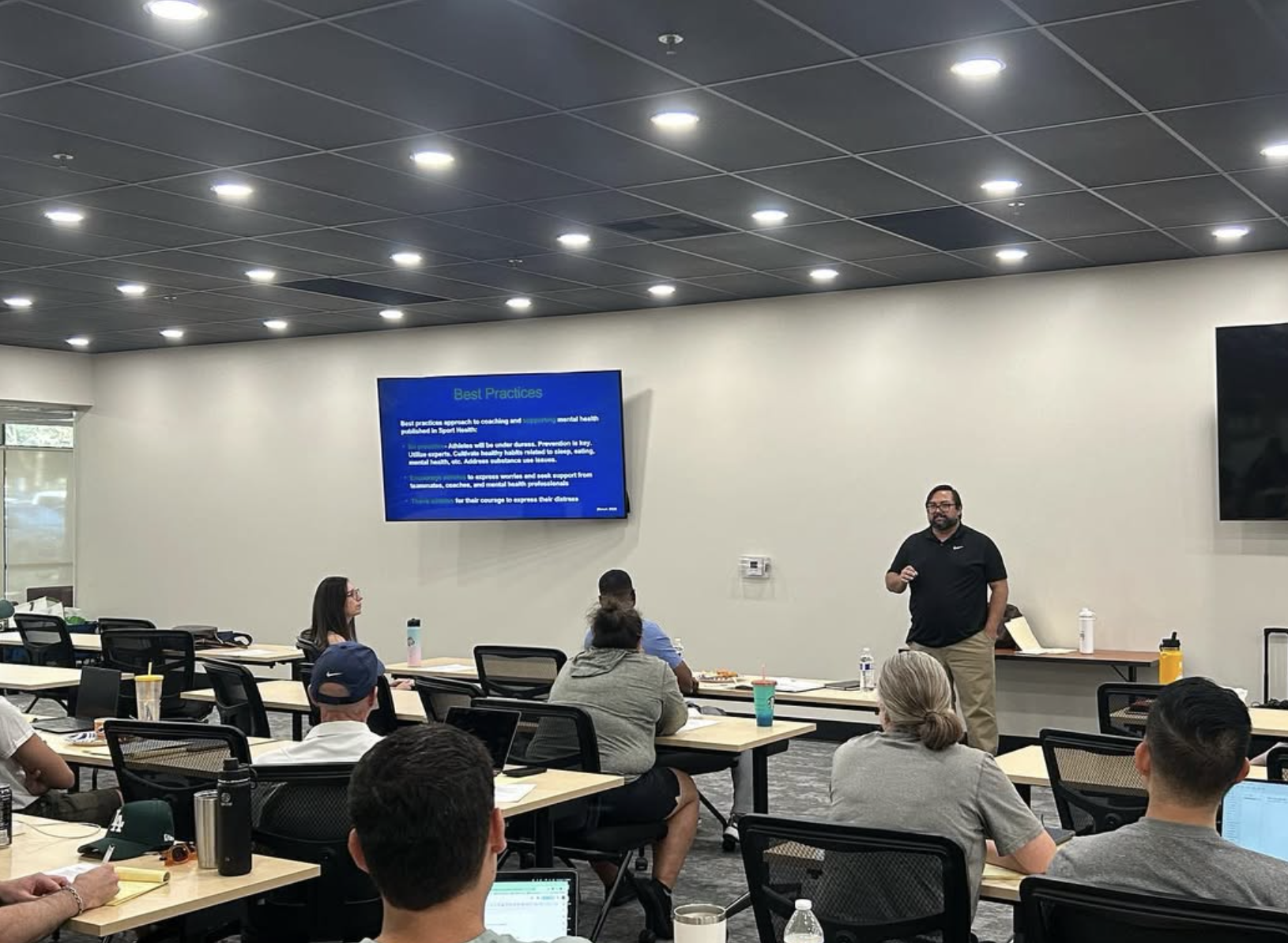
A Note From Dr. Jason
I've been on both sides of sport psychology, as a clinical psychologist and as an athlete competing in track, football, wrestling, and weightlifting. I understand how much sport can mean to you, and how easily the pressure to perform can take some of the enjoyment out of it.
My work combines clinical psychology and sport psychology to help athletes work through anxiety, perfectionism, performance pressure, and other challenges that affect their mental health and relationship with sport.
I want athletes to be able to take their sport seriously, perform well, and still enjoy being athletes.
Dr. Jason von Stietz
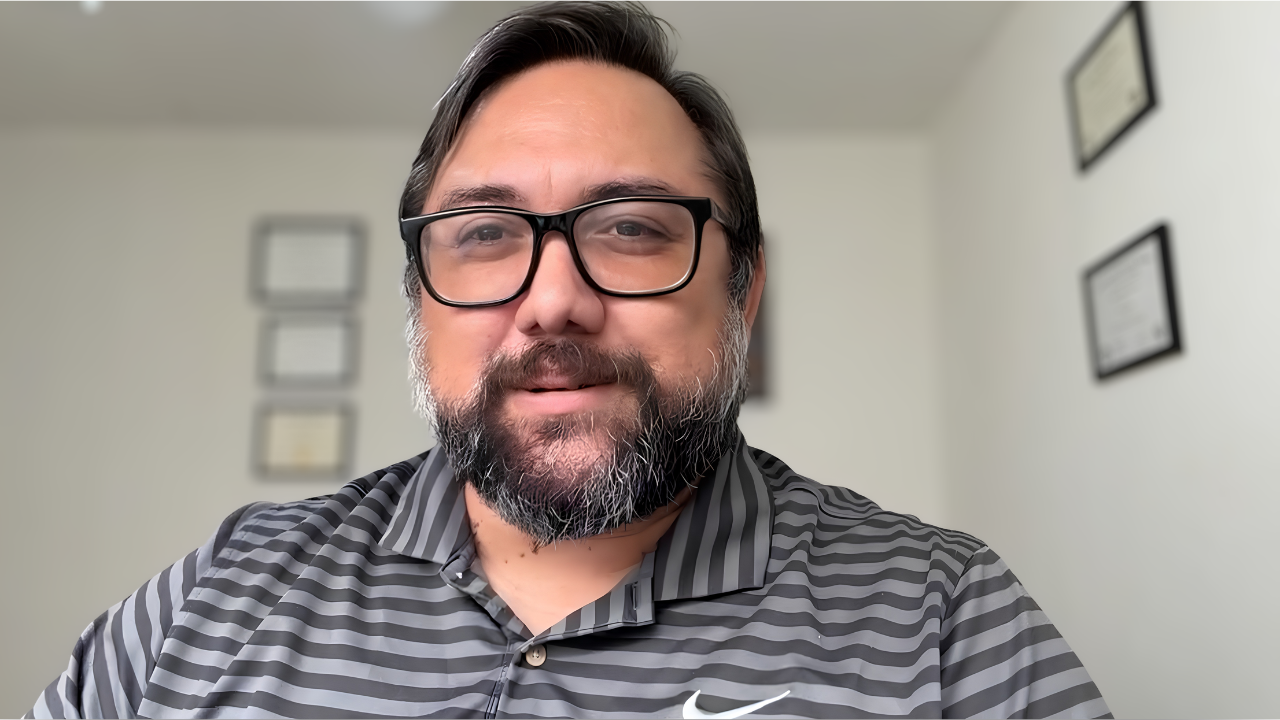
Ready to Talk?
As a clinical sport psychologist, I work with athletes dealing with burnout, anxiety, perfectionism, performance pressure, sleep problems, and other mental health concerns.
If you're exhausted, losing your enjoyment of your sport, or wondering whether you can keep doing this, let's talk.
I provide sport psychology and mental health services for athletes throughout California via telehealth. You can also learn more about sport psychology for athletes in Los Angeles, Long Beach, and the South Bay.

Athlete Burnout FAQs
-
Athletes are supposed to get tired. Training, competing, traveling, and balancing sport with school or work can take a lot out of you.
Burnout tends to stick around. You may find yourself consistently exhausted, dreading practice, losing interest in competition, or feeling like you're putting in more effort without getting better. You might also notice changes in your sleep, mood, or motivation.
You don't need to check every box. If you've been feeling different for a while and your usual recovery strategies aren't helping, it's worth paying attention.
-
Not necessarily.
Sometimes an athlete needs a break. Sometimes the training environment needs to change. And sometimes anxiety, perfectionism, poor sleep, or depression are making sport feel much harder than it used to.
I don't want to tell you whether you should quit. That's a decision we can explore together.
The goal is to help you make that decision when you're thinking clearly, rather than because you're completely exhausted and can't see another option.
-
Often, yes.
Getting help doesn't automatically mean you have to stop competing. We might look at your training schedule, recovery, expectations, relationships with coaches or teammates, and what you're doing outside of sport.
Sometimes continuing to participate is helpful. Sometimes taking time away is the right move.
The important part is figuring out what your mind and body actually need.
-
Perfectionism can definitely contribute to burnout.
If every practice is an evaluation of whether you're good enough, there isn't much room to recover. A mistake can turn into a long argument with yourself about everything you did wrong. Even a good performance becomes something you're expected to repeat instead of something you can enjoy.
Part of working on burnout may involve learning how to hold yourself to high standards without making your self-worth dependent on meeting them.
-
That's actually pretty common.
You can love your sport and still be completely exhausted by what surrounds it.
You might love playing basketball but hate the pressure you feel at every practice. You might love swimming but be tired of training year-round. You might love competing but feel like every performance determines whether you're good enough.
That distinction matters. We can work on figuring out what you're actually burned out from.
-
That can be difficult, especially when you feel like you don't have much control over your situation.
Athletes sometimes worry that admitting they're struggling will disappoint their coach or parents, or make them look lazy or uncommitted.
Sport psychology can give you a place to talk honestly about that pressure and figure out how you want to respond. It may also involve working on how to communicate what you need to the people around you.
-
No. Burnout can happen to athletes at any level.
It's especially important to pay attention to younger athletes because they may not have much say in their training schedules or how much sport they're doing.
A middle school or high school athlete can be just as burned out as a college or professional athlete. You don't have to be competing for a championship to be overwhelmed by your sport.
-
Start by listening. Try to understand what your child is experiencing before jumping into solutions.
It can be tempting to encourage them to push through, remind them how much they've invested in their sport, or tell them they'll feel better after a good performance. But sometimes they need to know that their well-being matters more than their next competition.
Give them room to talk about what's difficult, and be open to discussing changes in their training or schedule. If their mood, sleep, or motivation has been affected for a while, consider talking with a mental health professional.