Los Angeles Clinical sport psychologist
Evidence-based clinical sport psychology and OCD therapy for athletes throughout Los Angeles and California.
Trusted by athletes, coaches, and organizations throughout Southern California.
Clinical sport psychology for athletes throughout los angeles
Sports can be incredibly rewarding. They can also be frustrating, demanding, and emotionally exhausting.
Whether you're preparing for an important competition, working to regain confidence after an injury, managing anxiety or OCD, or simply feeling like you're getting in your own way during competition, you don't have to navigate those challenges alone.
I provide evidence-based sport psychology and clinical psychology services for athletes throughout Los Angeles and across California through secure telehealth. My approach integrates Cognitive Behavioral Therapy (CBT), sport psychology, mindfulness, and other evidence-based treatments to help athletes perform under pressure while protecting their mental health.
I work with middle school, high school, collegiate, and adult athletes, along with parents, coaches, and performers who want to build resilience, improve performance, and enjoy what they do.
Schedule a free consultation to learn whether we're a good fit.
The Mental Side of Competing in Los Angeles
Los Angeles offers opportunities for athletes at nearly every level of competition. From youth sports and high school athletics to collegiate programs and professional organizations, athletes here often balance demanding schedules with high expectations.
Athletes come to therapy for many different reasons. Some concerns are performance-related, while others affect both athletics and everyday life. Here are a few of the challenges we commonly address:
-
Feeling nervous before an important competition is normal. Performance anxiety becomes a problem when it begins to interfere with preparation, decision-making, confidence, or enjoyment of your sport. Together, we'll work to understand what keeps the anxiety going and develop practical strategies to help you compete with greater flexibility, confidence, and focus.
-
Many athletes hold themselves to high standards. Those standards can be motivating, but they can also become exhausting when mistakes feel unacceptable or when intrusive thoughts and compulsive behaviors begin to take over. As a clinical psychologist specializing in anxiety and OCD, I help athletes learn evidence-based strategies that reduce the impact of OCD and perfectionism while supporting both mental health and performance.
-
Recovering from an injury often involves more than physical rehabilitation. Athletes may experience frustration, uncertainty, loss of confidence, or anxiety about returning to competition. Therapy can help you navigate the psychological aspects of recovery, rebuild confidence, and prepare for a return to sport when the time is right.
-
Many athletes become stuck trying to avoid mistakes rather than fully engaging in competition. That often leads to overthinking, hesitation, and reduced confidence. Instead of trying to eliminate mistakes entirely, we'll focus on developing the psychological flexibility to respond effectively when they happen so you can remain engaged in the present moment.
-
Sports can be incredibly rewarding, but they can also become overwhelming. Burnout may develop when training, competition, school, work, and other responsibilities begin to feel emotionally or physically exhausting. Together, we'll explore ways to restore balance, reconnect with your values, and help you continue participating in your sport in a sustainable way.
-
Sleep often becomes more difficult before an important competition. Worrying about whether you'll get enough sleep can sometimes make the problem worse. Drawing from evidence-based approaches, including CBT for Insomnia (CBT-I), we'll work to reduce sleep-related anxiety and develop healthier sleep habits that support both recovery and performance.
From Southern California Athlete to Sport Psychologist
Although I now work with athletes throughout California, my understanding of sport psychology began long before graduate school.
I grew up in nearby Azusa, where I competed in football, wrestling, and track and field. During my senior year of high school, I was honored to be named Academic Student-Athlete of the Year.
While I was still in high school, I trained with a freestyle wrestling club at Northview High School and attended wrestling camps at Cal Poly Pomona. I later competed on the track and field team at Citrus College.
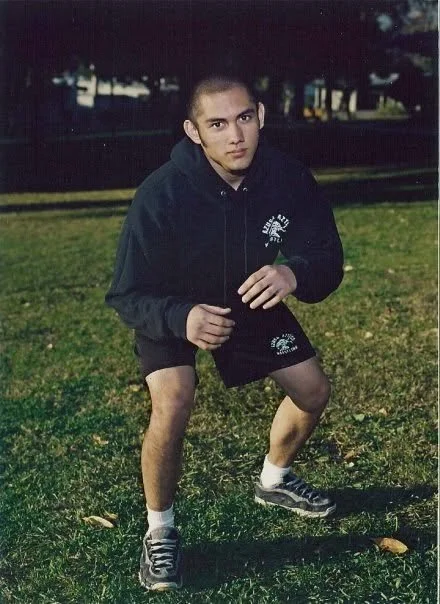
Senior year of high school wrestling. Being a team captain gave me an early appreciation for the psychological demands athletes face every day.
Those experiences shaped how I think about athletics today.
Like many athletes, I experienced the excitement of competition, the disappointment that follows difficult performances, and the challenge of balancing sports with school, family, and the rest of life. I learned that success isn't determined by physical preparation alone. Confidence, flexibility, attention, and the ability to recover from setbacks all influence how we perform.
Those experiences continue to influence the way I work with athletes today.
I'm also proud of my Chicano and Indo heritage. Growing up in Southern California gave me the opportunity to experience a wide range of communities, cultures, and perspectives, and those experiences continue to shape how I approach my work. Every athlete brings a unique story, and I believe effective therapy begins with listening before offering solutions.
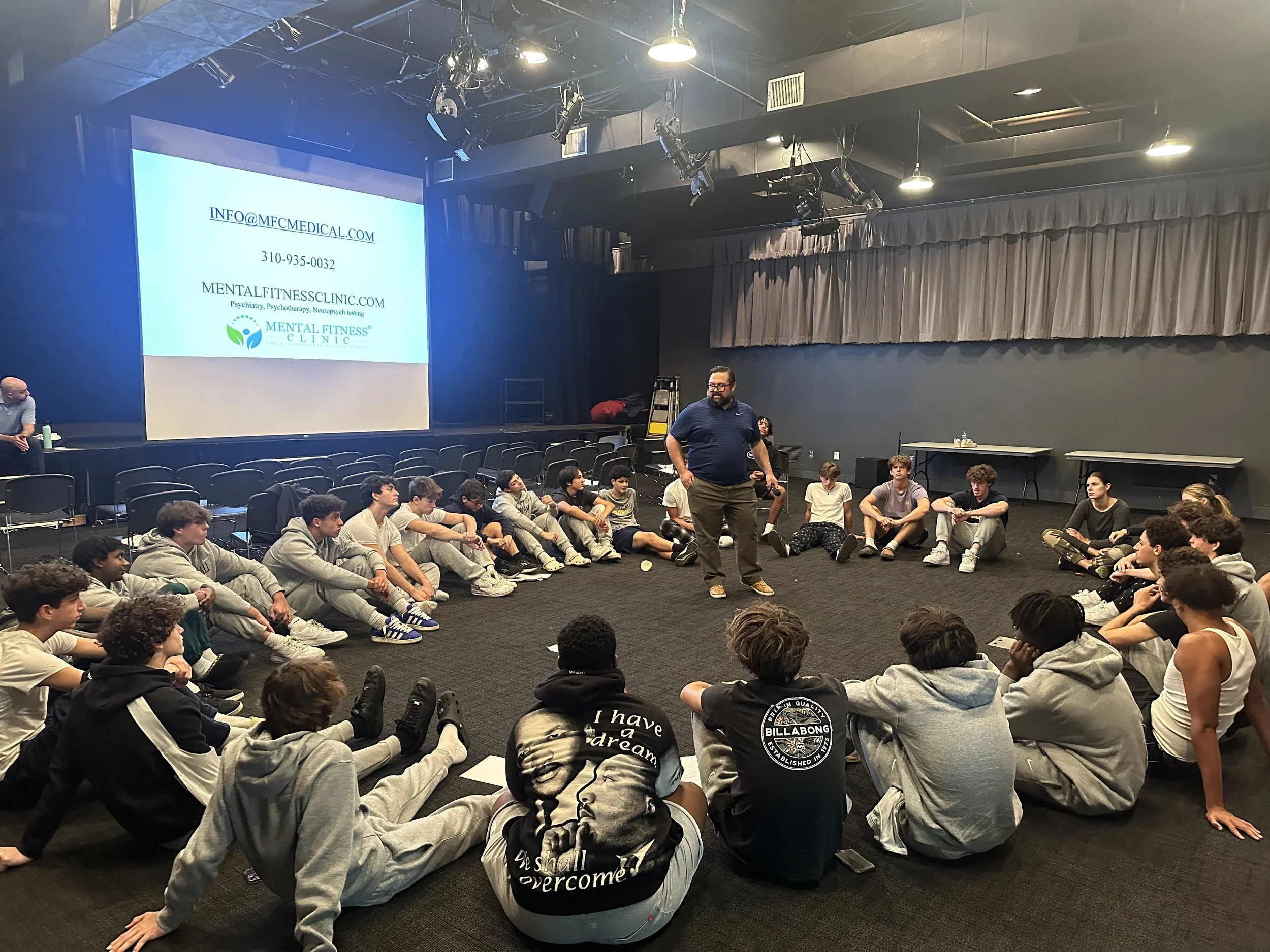
Leading a team-building and mental skills workshop for the Campbell Hall High School football and cross country teams. Through improv exercises, we practiced communication, adaptability, and staying present under pressure.
Supporting Athlete Mental Health Across Southern California
My work extends beyond individual therapy because I believe supporting athletes requires collaboration.
Over the years, I've partnered with collegiate athletic departments, consulted with teams, collaborated with coaches, athletic trainers, physicians, psychiatrists, physical therapists, and other healthcare professionals, and presented workshops for athletes, coaches, psychologists, and community organizations throughout Southern California.
Serving as Chair of the Los Angeles County Psychological Association's Sport & Performance Psychology Special Interest Group has provided opportunities to bring professionals together around a shared goal of improving athlete mental health. Those conversations continually influence my work by exposing me to new perspectives, research, and practical ideas from colleagues across disciplines.
One experience that had a lasting impact on me was serving on the inaugural medical psychology team at the Los Angeles Marathon. Working alongside sports medicine professionals in the UCLA Health medical tents, I provided Psychological First Aid to runners and saw firsthand the importance of integrating mental health into sports medicine.
Whether I'm meeting with an individual athlete, consulting with a team, presenting a workshop, or collaborating with other professionals, my focus remains the same: helping athletes apply evidence-based psychology to the situations they encounter in practice, competition, and everyday life.

Volunteering with the Los Angeles Marathon medical team near the finish line. This was the first year psychologists were integrated into the medical teams, providing support to runners when mental and physical challenges often intersect.
My Approach
I'm a licensed clinical psychologist with specialized training in sport psychology.
That means we don't have to choose between improving performance and addressing mental health. In many cases, they're closely connected.
Depending on your goals, our work together may include Cognitive Behavioral Therapy (CBT), Exposure and Response Prevention (ERP), Inference-Based CBT (I-CBT), CBT for Insomnia (CBT-I), sport psychology strategies, mindfulness, and exercises that strengthen psychological flexibility. My background in improvisation also influences how I think about performance, helping athletes learn to stay present, adapt to uncertainty, and recover more effectively when things don't go according to plan.
Every athlete is different. Rather than relying on a one-size-fits-all approach, we'll develop strategies that fit your goals, your sport, and the challenges you're facing.
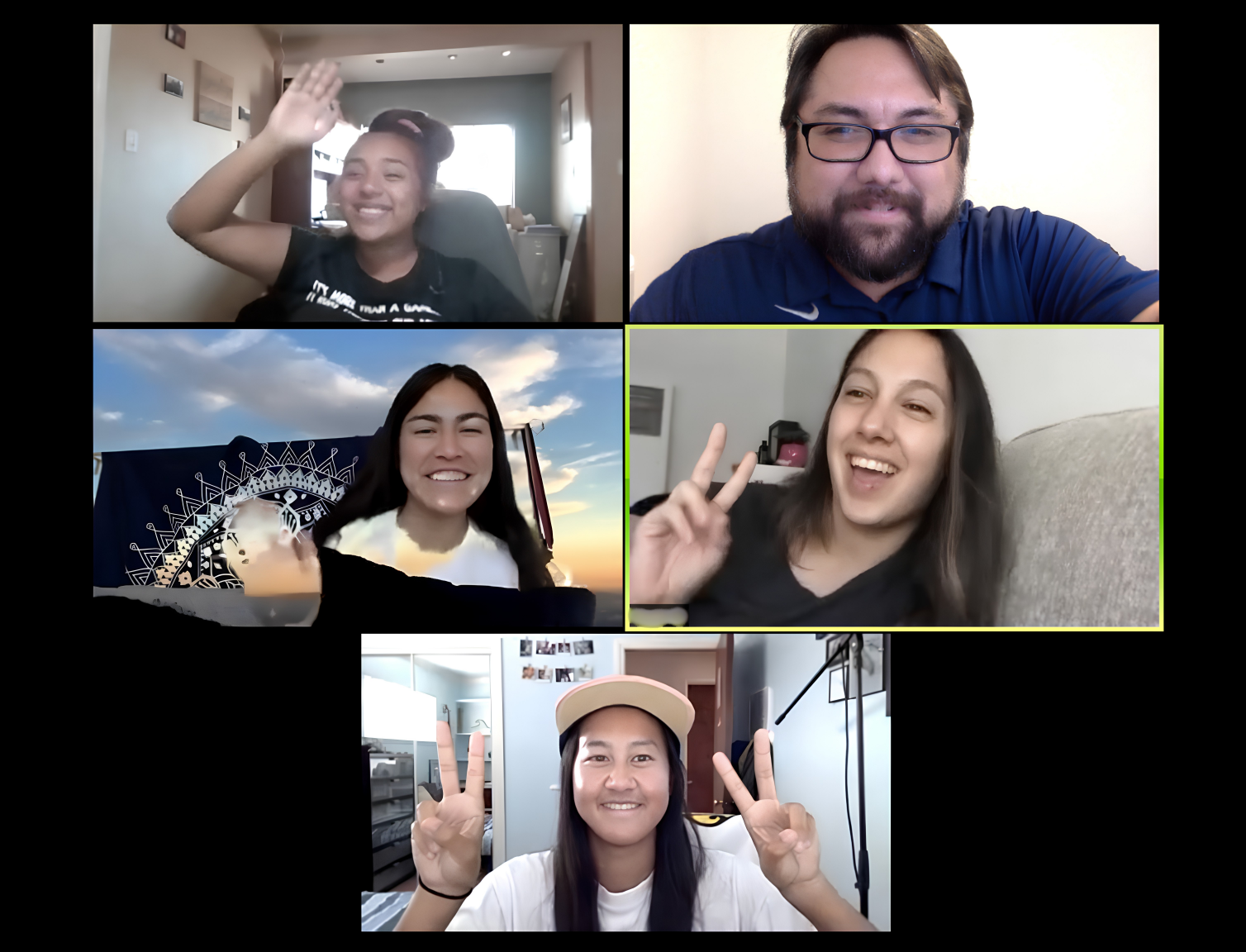
Why Telehealth Works Well for Los Angeles Athletes
Athletes in Los Angeles already spend enough time traveling between school, practices, competitions, training sessions, and medical appointments.
Telehealth makes it easier to access specialized sport psychology without adding another commute to your week. Many athletes appreciate the flexibility of meeting from home, campus, or wherever they happen to be training while maintaining continuity of care throughout the season.
I work with athletes throughout Los Angeles, including the San Gabriel Valley, Pasadena, Downtown Los Angeles, West Los Angeles, the South Bay, Long Beach, the San Fernando Valley, and surrounding communities.
Frequently Asked Questions
-
Yes. I provide secure telehealth services for athletes throughout Los Angeles and across California. Whether you're in the San Gabriel Valley, Downtown Los Angeles, the South Bay, West Los Angeles, Pasadena, the San Fernando Valley, or another community, telehealth allows us to work together without adding another commute to your schedule.
-
I work with middle school, high school, collegiate, recreational, and adult athletes. Some people come to therapy hoping to improve confidence or focus during competition, while others are looking for help managing anxiety, OCD, perfectionism, or the challenges of balancing athletics with school, work, or other responsibilities. Our work together is tailored to your goals and your individual situation.
-
No. Sport psychology isn't only for professional or elite athletes. Many of the athletes I work with are developing their skills, returning after an injury, preparing for the next level of competition, or simply looking for a healthier relationship with their sport. Whether you're competing for fun or at a high level, therapy can help you develop practical skills that support both performance and well-being.
-
Yes. As a licensed clinical psychologist, I specialize in treating anxiety disorders and OCD in addition to helping athletes perform under pressure. For many athletes, improving mental health and improving performance go hand in hand. Together, we'll develop evidence-based strategies that address the concerns bringing you to therapy while supporting your goals as an athlete.
-
I've worked with athletes from a wide variety of sports, including football, wrestling, baseball, basketball, soccer, volleyball, swimming, martial arts, strength sports, and track and field. While every sport presents unique challenges, many of the psychological skills we work on—such as managing anxiety, responding to mistakes, building confidence, and staying present—transfer across sports.
-
Yes. Parents often play an important role in supporting young athletes. Depending on the athlete's age and goals, we'll discuss how parents can be involved in treatment in ways that encourage healthy communication, confidence, and increasing independence.
-
Yes. In addition to working individually with athletes, I've consulted with athletic departments and teams, presented workshops for coaches and athletes, and collaborated with athletic trainers, physicians, psychologists, psychiatrists, physical therapists, and other professionals who support athletes. While my primary focus is individual therapy, I also enjoy opportunities to collaborate with teams and organizations that are interested in supporting athlete mental health and performance.
-
Yes. Although much of my work focuses on athletes, I've also worked with performers whose success depends on performing under pressure. Whether you're competing in sports or performing in another setting, many of the same psychological skills—such as managing anxiety, responding to mistakes, adapting to uncertainty, and staying present—can help you perform more consistently.
-
Growing up in Southern California, I competed in football, wrestling, and track and field before continuing in collegiate track and field at Citrus College. While I was still in high school, I trained with a freestyle wrestling club at Northview High School and attended wrestling camps at Cal Poly Pomona. Those experiences gave me an appreciation for both the rewards and challenges of athletics, from balancing school and sports to managing pressure during competition. Although every athlete's experience is different, my own athletic background continues to shape how I think about performance, resilience, and the importance of enjoying your sport alongside striving to improve.
Schedule a Free Consultation
Finding the right psychologist is an important decision.
As someone who grew up competing in Southern California and now works with athletes throughout Los Angeles and across California, I understand many of the demands that athletes face both on and off the field.
Whether you're hoping to improve confidence, manage anxiety or OCD, recover from an injury, or perform more consistently under pressure, I'd be happy to learn more about your goals.
A free consultation gives us an opportunity to discuss what you're looking for, answer your questions, and determine whether we're a good fit to work together.
Schedule your free consultation today.