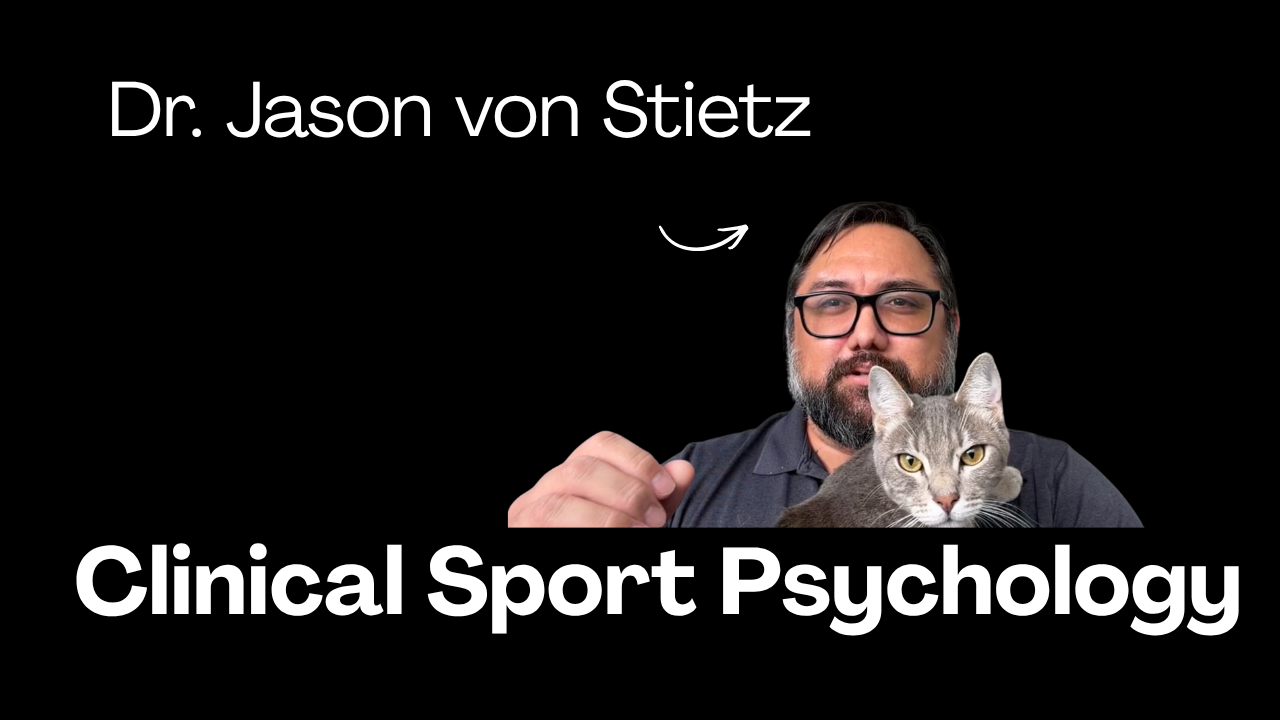
South Bay Sport Psychologist
Clinical Sport Psychology for Athletes Throughout the South Bay
Whether you're preparing for competition, recovering from an injury, or finding that anxiety has begun to interfere with your performance, you don't have to work through it alone.
I provide telehealth sport psychology for athletes throughout the South Bay, including Torrance, Manhattan Beach, Hermosa Beach, Redondo Beach, Palos Verdes, El Segundo, San Pedro, and the surrounding communities.
As a licensed clinical psychologist specializing in sport psychology, I help athletes strengthen both their mental health and their performance. Many of the athletes I work with are looking to perform more consistently under pressure while also addressing concerns such as anxiety, OCD, perfectionism, depression, burnout, insomnia, or the emotional impact of injury.
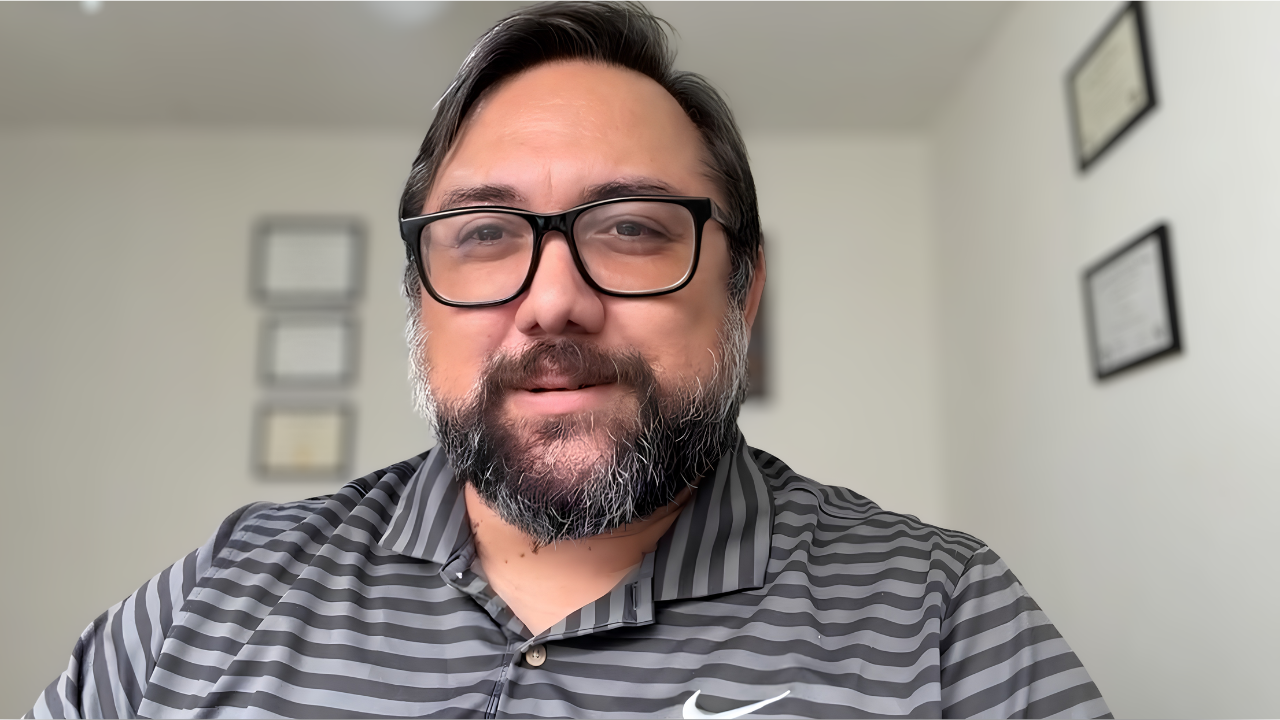
Sport Psychology That Looks at the Whole Athlete
Mental skills such as visualization, goal setting, and confidence training can be helpful, but they don't always address the reason performance has become difficult.
Sometimes anxiety makes it difficult to trust your preparation. OCD can turn pre-performance routines into exhausting rituals. Perfectionism can make every mistake feel overwhelming. Depression can take the enjoyment out of a sport you've loved for years. After an injury, your body may be ready to return while your mind still isn't convinced it's safe.
Performance and mental health often influence one another.
That's why my work combines evidence-based psychological treatment with performance psychology. Depending on your goals, treatment may include Cognitive Behavioral Therapy (CBT), Exposure and Response Prevention (ERP), mindfulness, performance routines, and practical strategies that help you stay engaged in the present moment when the pressure is highest.
Working With South Bay Athletes
The South Bay has been part of both my personal and professional life for many years.
I lived in Downtown Torrance for nearly a decade and previously lived in both Redondo Beach and Palos Verdes. During that time I came to appreciate the area's active athletic community, from youth sports and local high schools to martial arts clubs, endurance athletes, and the many people who simply enjoy being active outdoors.
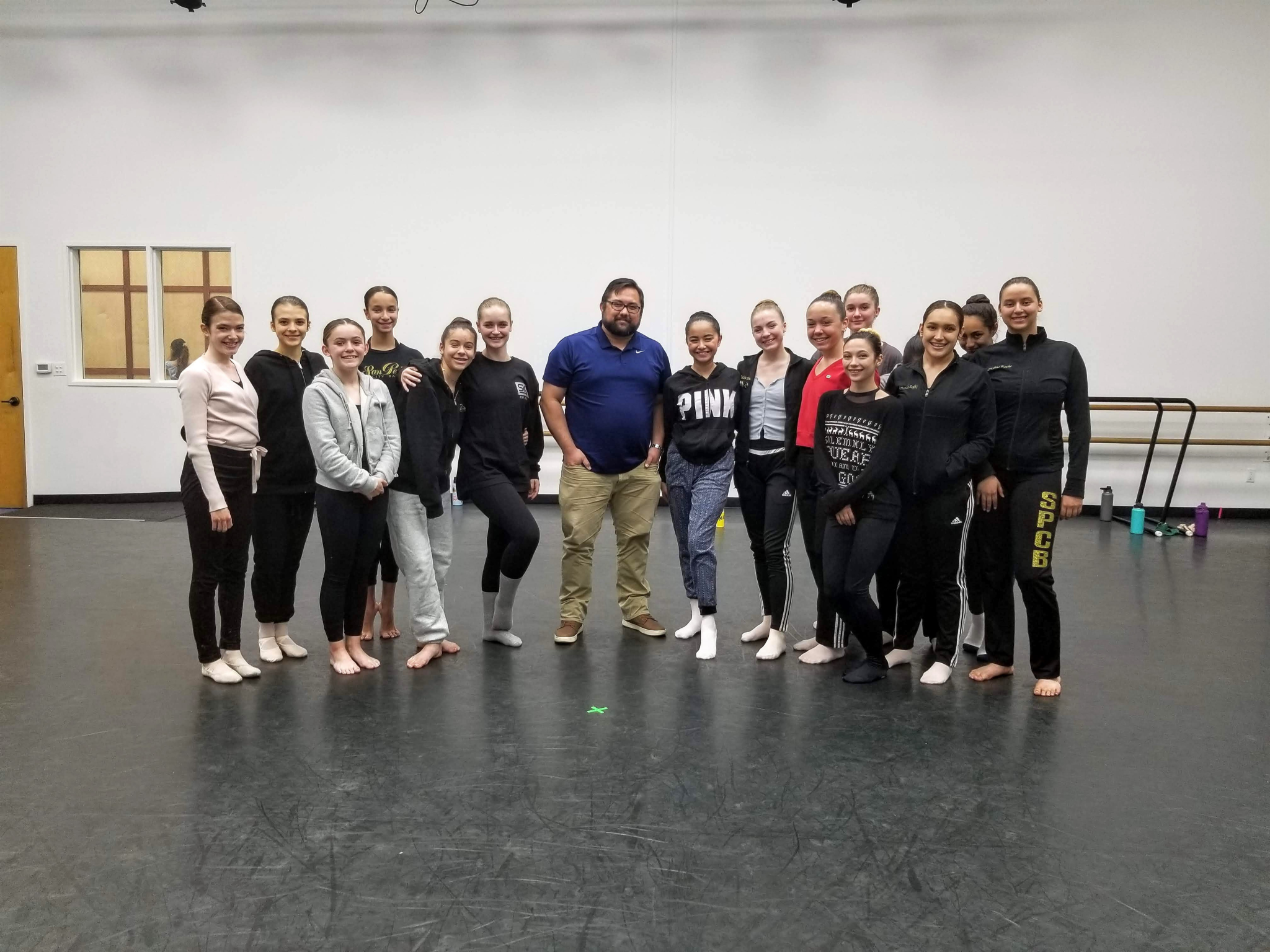
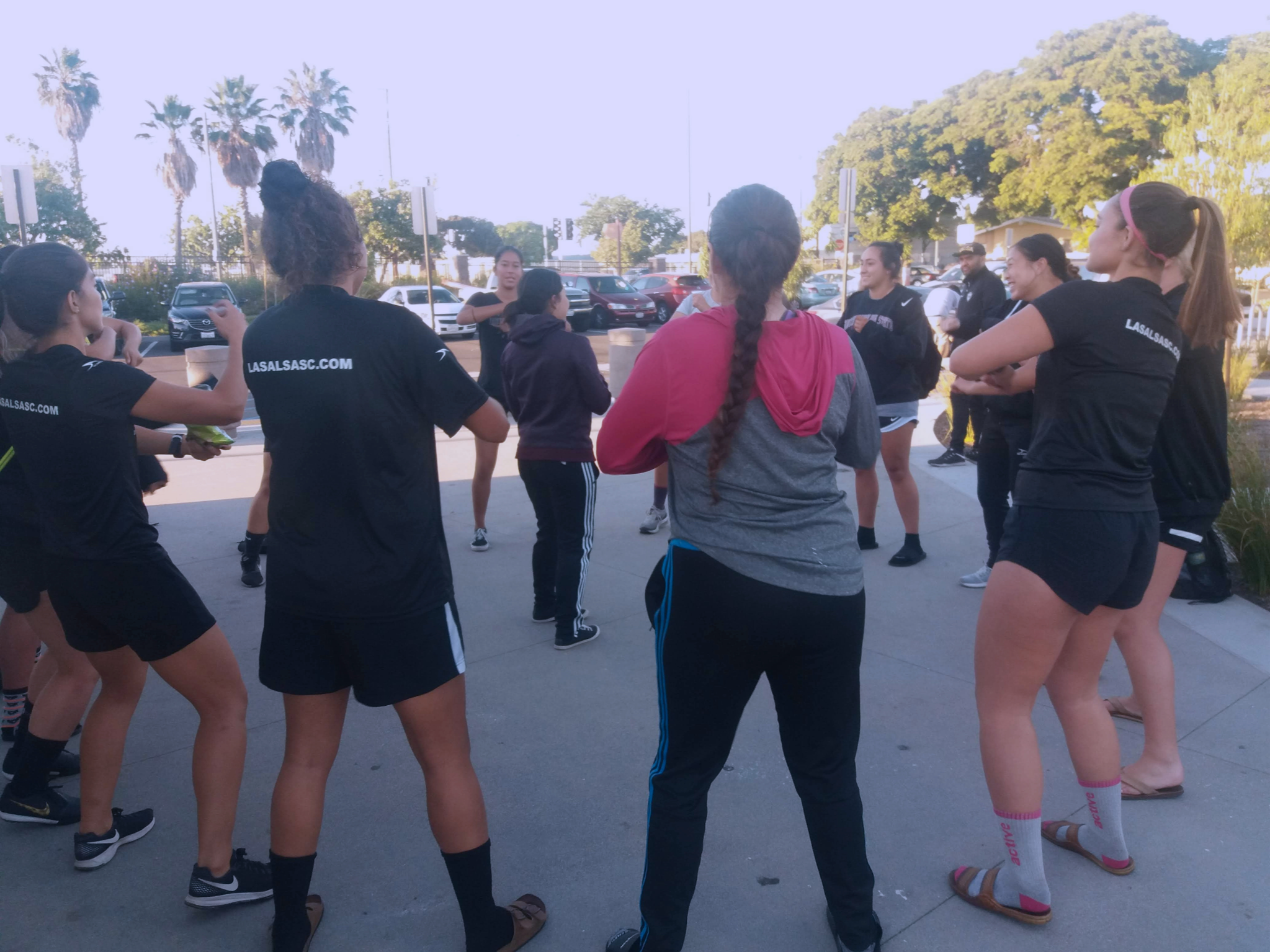
I've worked with student-athletes from schools throughout Torrance, Redondo Beach, and the Palos Verdes Peninsula, including Chadwick School. I also consulted with a Women's Premier Soccer League team while they competed in Torrance, working alongside athletes during their season and supporting the mental side of competition.
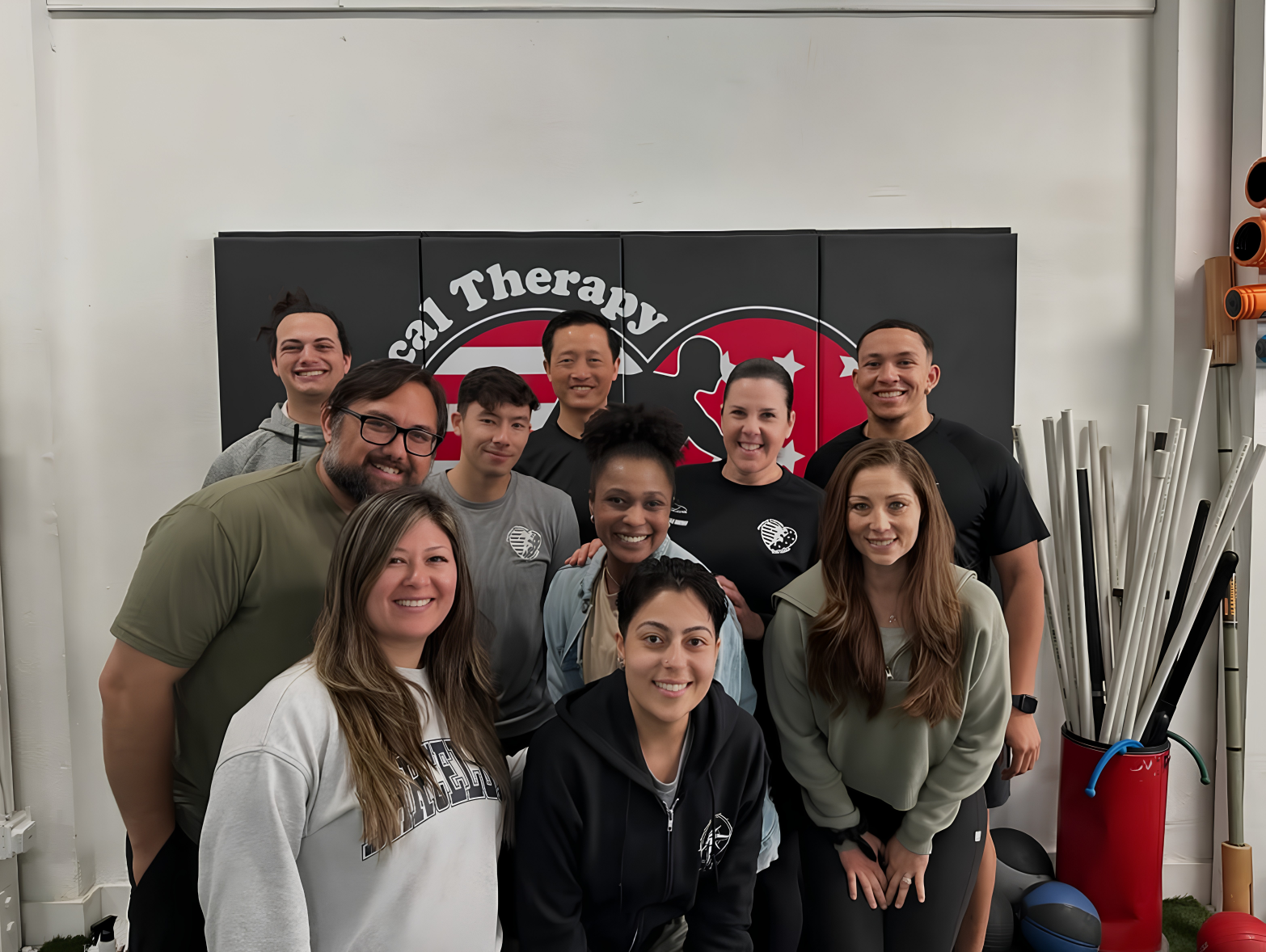
My work has also included collaborating with local athletic trainers, sports medicine professionals, coaches, and healthcare providers throughout the South Bay. I provided a mental health presentation for Physical Therapy San Pedro and have worked with athletes from a wide variety of sports, including soccer, martial arts, endurance sports, weightlifting, and dance.
Outside of my clinical work, I trained at the USA Sumo Club in Torrance, which gave me an even greater appreciation for the South Bay's strong martial arts community. Experiences like these have helped me better understand the culture of athletics throughout the area and the challenges many athletes face while balancing school, work, training, and competition.
Does This Sound Familiar?
Many athletes reach out because they notice things like:
"I perform well in practice, but not during competition."
"I replay mistakes long after they're over."
"I feel like I have to be perfect."
"My confidence disappears after one bad performance."
"I'm mentally exhausted."
"I don't enjoy my sport the way I used to."
"I keep second-guessing myself."
"I'm physically recovered from my injury, but mentally I'm not ready."
If any of these sound familiar, you're not alone. These experiences are common, and they're treatable.
My Approach
One of the ideas I return to often is that confidence isn't something we wait to feel before we perform.
Confidence develops by learning that you can respond effectively to whatever happens during competition.
Rather than trying to eliminate anxiety or force yourself to think positively, we'll work on developing the flexibility to stay engaged with what matters, even when difficult thoughts or emotions show up.
For many athletes, this shift not only improves performance, but also helps them enjoy their sport again.
Ready for the next step?
If you're looking for a sport psychologist who understands both mental health and performance, I'd be happy to answer your questions and discuss whether my approach is a good fit.
Experience Across Different Sports and Performance Settings
Athletes and performers come from many different backgrounds, but many of the same psychological challenges appear across settings: managing pressure, responding to mistakes, recovering from setbacks, and staying connected to the activity they care about.
Over the years, I've worked with athletes and performers from a wide range of backgrounds, including youth, high school, collegiate, and elite athletes, as well as martial artists, weightlifters, endurance athletes, dancers, actors, musicians, and creative professionals.
My own experiences in athletics, martial arts, weightlifting, and improv comedy have also shaped how I understand performance. Whether someone is competing on a field, performing on stage, or pursuing a creative goal, the process of learning to manage pressure and stay present is remarkably similar.
Why Athletes Choose to Work With Me
My background combines clinical psychology with specialized training in sport psychology.
Professional experience includes:
Licensed Clinical Psychologist in California
Specialized training in Clinical Sport Psychology
Sport Psychology Intern with the MLB Youth Academy
Fellow providing services to collegiate athletes
Chair of the Sport & Performance Psychology Special Interest Group for the Los Angeles County Psychological Association
Experience consulting with coaches, athletic trainers, physicians, and athletic organizations throughout Southern California
Experience treating anxiety disorders, OCD, insomnia, and performance-related concerns
Telehealth Sport Psychology Throughout the South Bay
Most athletes appreciate the convenience of telehealth.
Instead of driving across Los Angeles after practice or school, you can attend secure video sessions from home, campus, or wherever you're located in California.
Telehealth makes it easier to fit therapy into a busy training schedule while continuing to receive specialized sport psychology services.
Still have questions?
-
No. I work with athletes across many levels of competition, including youth, high school, collegiate, recreational, and elite athletes.
-
Mental performance coaches focus on skills such as visualization, confidence, goal setting, and performance routines.
Licensed psychologists receive extensive training in the assessment and treatment of mental health conditions in addition to performance psychology.
Many athletes benefit from mental skills training alone. Others discover that anxiety, OCD, perfectionism, depression, or another mental health concern is affecting both performance and quality of life. As a licensed clinical psychologist specializing in sport psychology, I can address both.
-
Athletes seek therapy for many different reasons. Some want to improve confidence or perform more consistently under pressure. Others are dealing with anxiety, OCD, perfectionism, depression, burnout, insomnia, fear of returning after an injury, or difficulty balancing academics, work, and athletics. My goal is to understand what's contributing to the problem and develop an individualized treatment plan.
-
No. Some athletes come to improve performance, while others are looking for treatment for a mental health concern. Many simply want to develop healthier ways of responding to pressure, setbacks, or self-doubt. Sport psychology can be helpful across a wide range of goals.
-
Athletic performance and mental health often influence one another. An athlete who is struggling with anxiety, OCD, depression, or burnout may notice changes in confidence, focus, or enjoyment of their sport. Likewise, difficulties in sport can affect emotional well-being. My approach recognizes this relationship and addresses both when appropriate.
-
Yes. Parents often play an important role in supporting young athletes, and their involvement can be an important part of treatment.
Depending on the athlete's age, goals, and preferences, I may meet with parents to discuss ways to support their child, improve communication, or better understand the challenges they're facing. At the same time, it's important that athletes have a space where they can speak openly, so we work together to find an appropriate balance between parent involvement and the athlete's privacy.
-
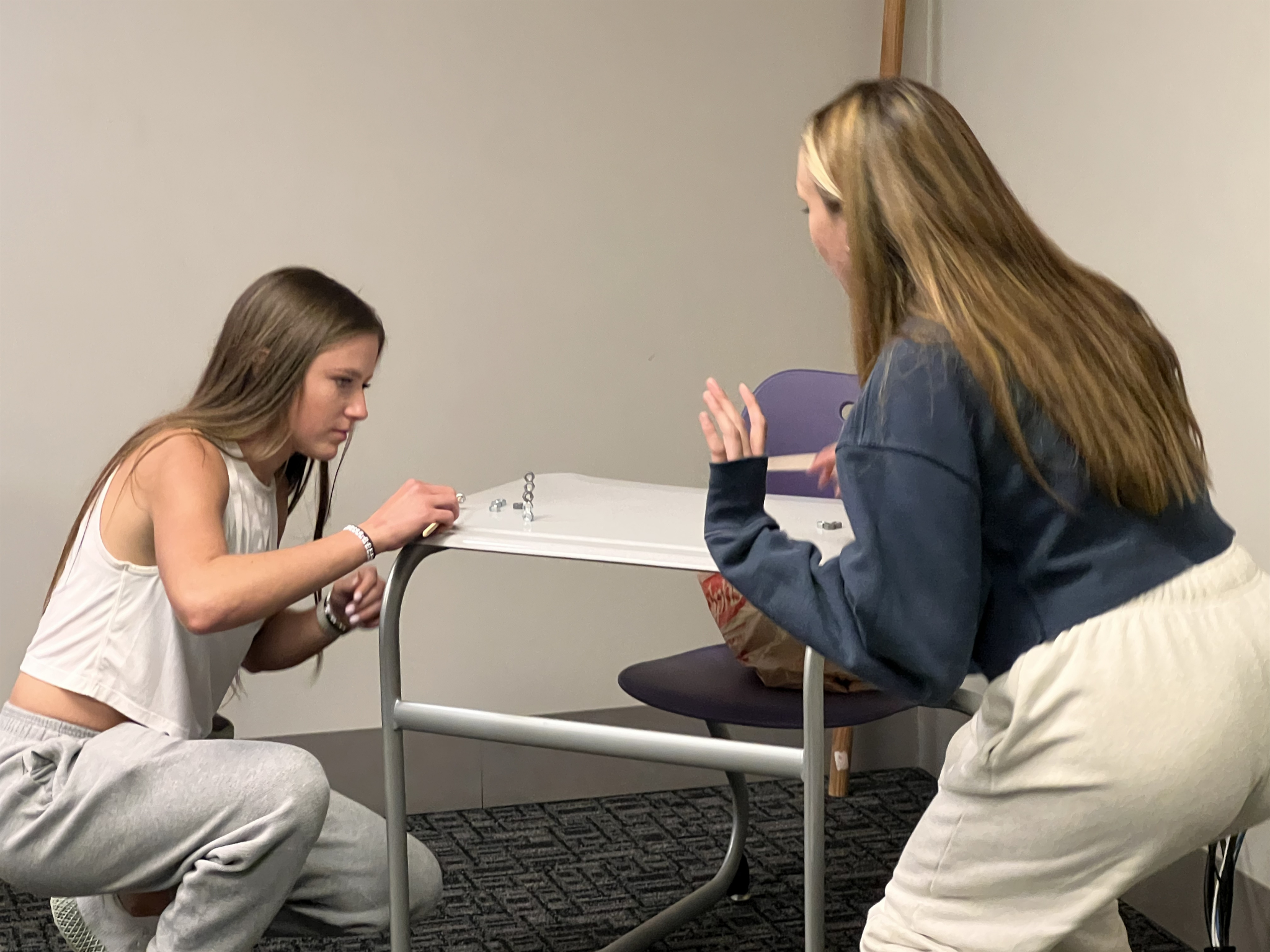
Yes. I provide workshops for teams, coaches, and athletic departments throughout the South Bay. I use interactive activities including improv exercises to help athletes practice focus under pressure, communication, teamwork, and other mental skills that translate to practice and competition.
-
When it supports your goals and you provide written authorization, I'm happy to collaborate with coaches, athletic trainers, physicians, physical therapists, or other members of your support team.
These conversations are often focused on helping everyone work toward the same objective. For example, we may discuss ways to reinforce a performance routine during practice, support an athlete returning from injury, or create consistency between what we're working on in therapy and what happens in training.
Not every athlete needs this type of collaboration, and many prefer to keep therapy separate from their sport. Together, we'll decide whether involving others would be helpful based on your individual needs and preferences.
-
During our first session we'll talk about your athletic background, the challenges you're facing, your goals, and any mental health concerns that may be affecting performance. We'll begin developing a treatment plan together rather than jumping immediately into techniques or exercises.
-
Sessions are conducted through a secure, HIPAA-compliant video platform and are designed to be just as collaborative and practical as meeting in person. Many athletes appreciate the flexibility of telehealth because it eliminates travel time and makes it easier to fit appointments around practices, competitions, school, or work.
During sessions we'll talk through the challenges you're facing, develop practical strategies you can begin using right away, and adjust our approach as your needs change. Whether you're training close to home or traveling elsewhere in California for competition, telehealth allows us to maintain continuity and keep making progress.
Schedule a Free Consultation
Finding the right psychologist is an important decision.
If you're looking for a South Bay sport psychologist who understands both the mental health and performance demands of athletics, I'd be happy to answer your questions.
I offer a free phone consultation where we can discuss what you're looking for, answer your questions, and determine whether my approach is a good fit.
I look forward to speaking with you.